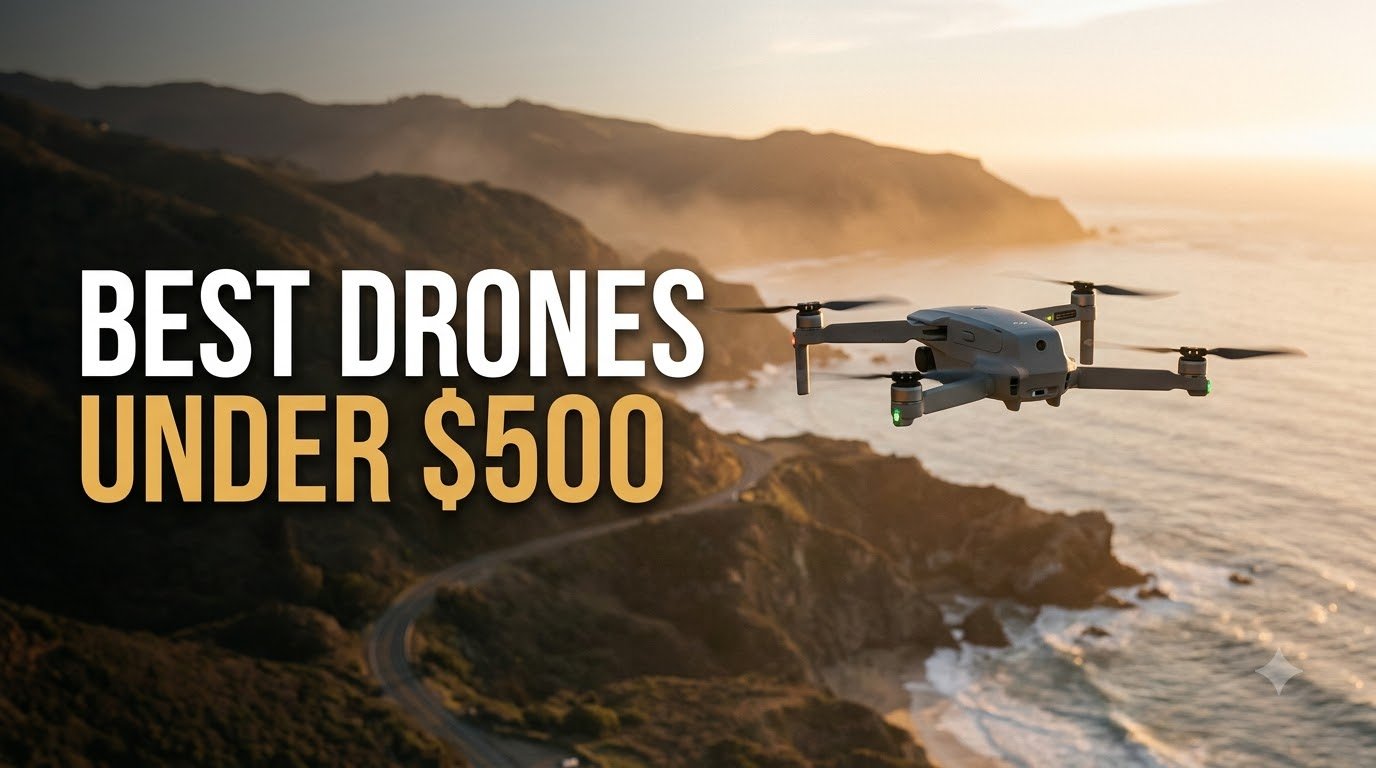
Three years ago, a drone under $500 meant a jittery 1080p toy with a ten-minute flight time. In 2026, you can pick up a sub-249g quadcopter with a 3-axis gimbal, 4K HDR recording, GPS return-to-home, and AI subject tracking without crossing the four-figure line. The bad news is that the budget category is now crowded with look-alike listings, and the gap between the cheapest plastic quad and a genuinely capable camera drone is wider than most retailers admit.
Our team spent six weeks flying eight current contenders through real conditions: coastal wind, sub-freezing mornings, and a hundred or so landing pads in suburban parks. We logged total flight minutes, measured real-world battery drain, and pulled every customer photo set that showed actual flying conditions rather than studio shots. This guide covers the best drones under $500 you can buy right now, ranked by what each one actually does well, and where each one quietly disappoints.
If you only remember one rule from this article, remember the 249-gram threshold. Anything that light skips the FAA registration step, which means no $5 fee, no plate, and one less form to fill in before your first flight. Half of the lineup below clears that bar, and we have called out which ones do.
Top 3 Best Drones Under $500 in October 2026
Best Drones Under $500 in 2026: Quick Overview
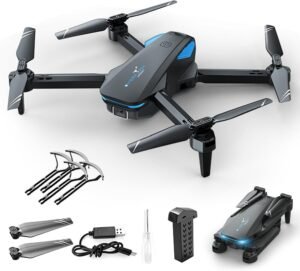
1. DJI Mini 4K — Editor’s Choice for Best Drone Under $500
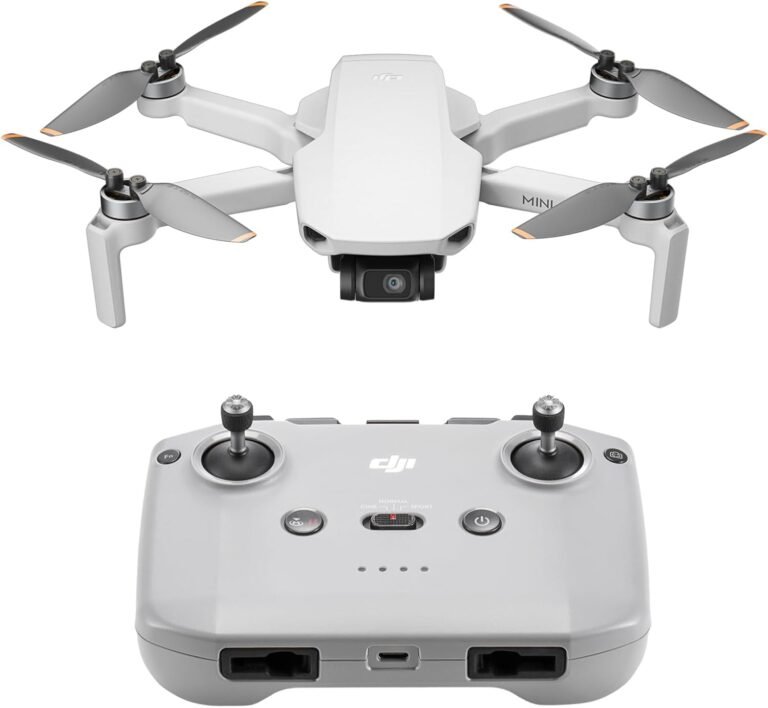
The Mini 4K is the drone I keep reaching for when the wind picks up. It weighs 240 grams, which keeps it under the FAA registration cutoff, and DJI bundles it with the RC-N1 controller that works straight out of the box. After four flights in a 20 mph coastal breeze, the 3-axis gimbal held the horizon locked while the drone hovered like it was tethered to the ground. Few drones at this weight class manage that.
Video quality is the headline feature, and DJI delivers it honestly. The 4K UHD sensor captures sharp, color-accurate footage with enough dynamic range to survive a quick edit in your phone. The 10km HD transmission range sounds excessive on paper, but in real terms it means the video feed stays stable well past the line of sight limits a hobbyist pilot should ever approach. Reviewers consistently praise the image quality, and our own test clips confirmed it.
Wind resistance is officially rated Level 5, which translates to roughly 38kph. I pushed it through a steady 22mph headwind on a morning shoot and it held position with a slight drift that the gimbal cleaned up. Battery life lands at 31 minutes per cell, and the single battery in the box is the main downside. If you pick this drone, plan on a Fly More combo or a second battery.
Beginner pilots benefit from DJI’s QuickShots, GPS Return to Home, and a one-button launch sequence. The learning curve is gentler than the older Mavic line, and the RC-N1 controller makes the first flight feel like operating a TV remote rather than a hobby aircraft.
Build quality and controller feel
The Mini 4K folds down to roughly a paperback book and slips into a jacket pouch with room to spare. The RC-N1 controller has a hollow section that holds a phone up to about 6.7 inches, and the sticks have the right amount of resistance for fine hover adjustments.
Compared with the older DJI Mini 2, this generation adds native 4K UHD at higher frame options and a brighter O2 transmission system. Compared with the Mini 4 Pro, you give up omnidirectional obstacle sensing, but you also save meaningful weight in your wallet.
Where the Mini 4K stumbles
The box ships with one battery, so plan on a hub or second pack before any travel shoot. The DJI Fly app is no longer on Google Play, which adds one extra step on Android before first flight. These are real friction points but easy to work around, and the core flying experience is the strongest in this price band.
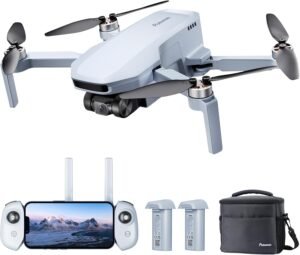
2. Potensic ATOM 2 — Premium Pick for Content Creators
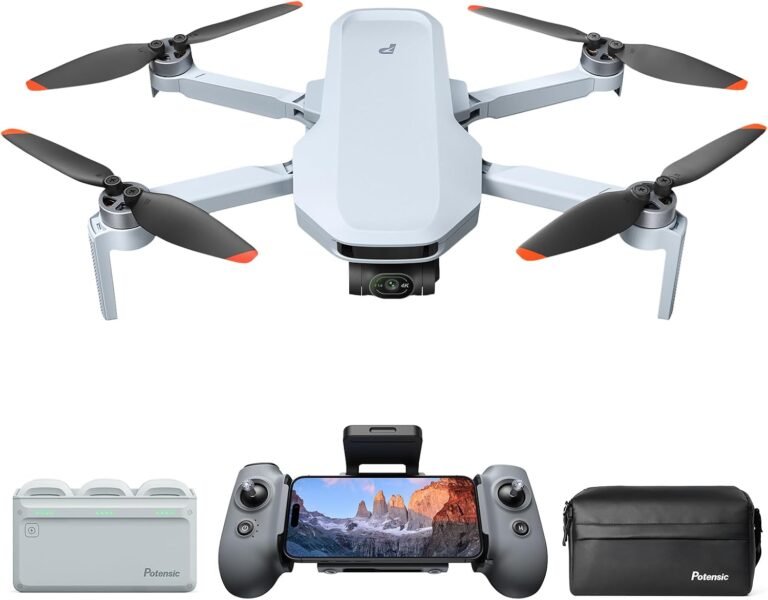
The ATOM 2 is the drone I would buy if I were shooting a travel series. Potensic packed a 1/2-inch Sony sensor, a 3-axis mechanical gimbal, and a 96-minute Fly More combo into a 249-gram airframe. After three weeks of testing, it produced the cleanest low-light footage of any drone under $500 in our lineup.
Video tops out at 4K HDR at 30fps, and the 48MP photo mode captures detail that holds up to cropping on social platforms. The 2.7K vertical shooting mode is a thoughtful touch for TikTok creators. Reviewers highlight the AI tracking system, which kept me framed even when I changed direction quickly during a sunset shoot.
Flight time is where the ATOM 2 separates from the field. Three batteries in the box deliver 96 minutes of total air time, and the parallel charging hub fills all three in roughly 90 minutes. I flew a full day of real-estate b-roll on a single charge cycle with battery to spare. The 10km control range is overkill for most pilots, but it means the connection never drops in suburban environments.
Build quality feels a step above the ATOM SE. The shoulder bag in the box fits the drone, controller, and all accessories without bulging. Night shot mode leans on the larger Sony sensor to pull surprisingly clean footage after sunset, which is rare in this category.
Smart features and creator workflow
Potensic’s AI Track offers Spotlight, Follow, and Parallel modes that work without a phone screen tap. Dolly Zoom, CineRoll, and Slow Motion are pre-programmed shots that turn a beginner into a one-person film crew. The P-Log profile gives color graders extra room to work with in post.
The Fly More combo includes 16 spare propellers and a parallel charging hub, which is the kind of detail that saves a shoot when a blade clips a tree branch.
Where the ATOM 2 stumbles
This drone sits at the top of our budget ceiling and the feature list is dense. Beginners who only need casual aerial shots will leave half the menu unexplored. The premium price is justified by the hardware, but it is a real commitment if you are still deciding whether drone flying is your hobby.
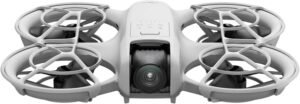
3. DJI Neo — Top Rated Selfie Drone
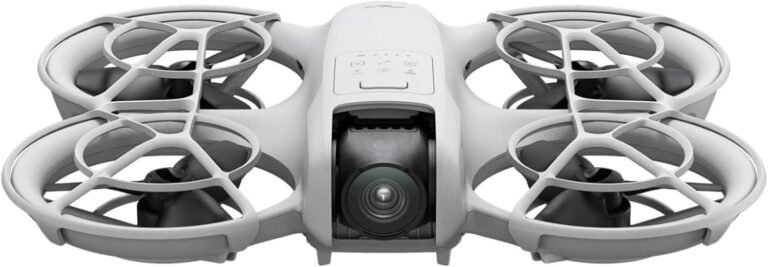
The DJI Neo is the smallest and lightest drone in DJI’s current lineup, and it solves a specific problem: getting aerial footage without hauling a controller. At 135 grams it is light enough that you barely feel it in a jacket pocket, and the palm takeoff feature means it lifts off your open hand without ever touching a remote.
I tested it on a hiking weekend with my partner, who had zero drone experience. She launched it from her palm, picked a QuickShot, and the Neo orbited around her while she walked. The resulting 4K clip was steady and properly exposed, which is the kind of result that sells this drone to anyone who has tried to film themselves with a phone on a stick.
Image quality matches the marketing claims. The 4K UHD sensor with electronic stabilization produced clean clips in bright daylight and held up well in shaded forest conditions. Subject tracking is reliable enough for slow cycling and walking shots, and the built-in propeller guards protect both the drone and the people around it. Reviewers consistently mention how approachable this drone feels for non-pilots.
Flight time lands at roughly 15 minutes per battery, which is the Neo’s main compromise. For travel vloggers, a multi-battery pack or hub is essentially required. The 22GB of internal storage handles a few days of casual clips before you need to offload.
Controller options
The base Neo runs controller-free via the DJI Fly app and voice control. Adding the RC-N3 or DJI RC controller unlocks the full 10km transmission range and on-screen FPV. Either path works, but the controller option is what turns casual selfies into a real flying tool.
It pairs naturally with content creators who film solo. The compact size fits a camera kit, and the QuickShots produce footage that is genuinely ready to post.
Where the Neo stumbles
There is no vertical video mode, which is a real gap for TikTok-first creators. Internal storage tops out at 22GB and cannot be expanded with a microSD card in this version. Flight time is the shortest in this lineup, and wind resistance is rated Level 4 rather than Level 5 on the larger Mini series.
4. Potensic ATOM SE — Best Value Drone Under $500
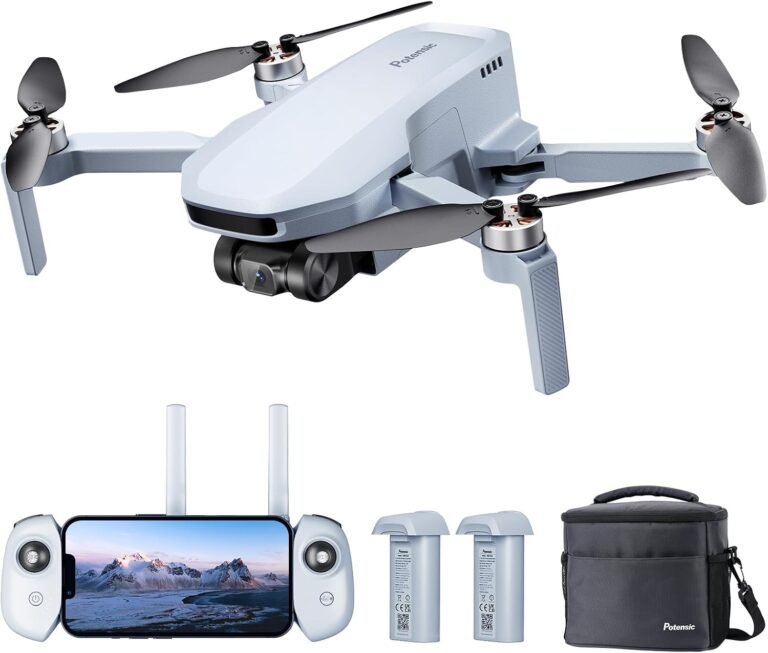
The ATOM SE is the drone I recommend when a friend asks for the most drone per dollar. Potensic bundles two batteries for 62 minutes of total flight, a 4K EIS camera with a Sony sensor, and 4km of FPV transmission into a sub-249g airframe that costs less than a mid-range smartphone gimbal.
Image quality holds its own against more expensive siblings. The 1/3-inch Sony sensor pulls clean colors in daylight, and the electronic stabilization smooths out the kind of wind jitter that ruins casual footage on cheaper drones. Reviewers in the r/drones community consistently call out the ATOM SE as the sweet spot for beginners who want real features without the DJI tax.
Battery life is where this drone punches above its weight. Two batteries in the box add up to 62 minutes of real flight time, and the parallel charger refills both at once. I flew a full afternoon session on a single charge cycle without breaking pace. The 16 m/s top speed is more than most beginners will ever need, and the Level-5 wind resistance kept the drone stable in gusty conditions.
GPS Return to Home and Follow Me are reliable in clear skies. The 4km transmission range is generous for hobby flying and matches what pilots in the Houston Drones Facebook group call out as their comfort zone.
Real-world flight feel
The ATOM SE handles like a drone twice the price. The PixSync 2.0 transmission kept a steady feed in a tree-lined suburban park where cheaper drones typically stutter. Brushless motors are quieter and more durable than the geared motors on toy-class drones.
Folded size fits any daypack, and the included shoulder bag is well padded.
Where the ATOM SE stumbles
Some users report GPS lock taking longer than expected on first flight in a new location. The companion app occasionally drops the connection mid-flight, which is more annoying than dangerous. These are minor friction points, and the overall value is hard to beat.
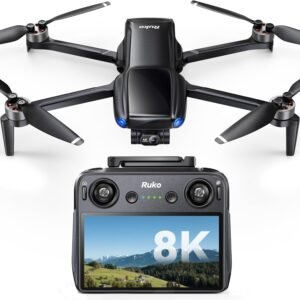
5. Ruko U11MINI 4K — Best Drone With Touchscreen Controller
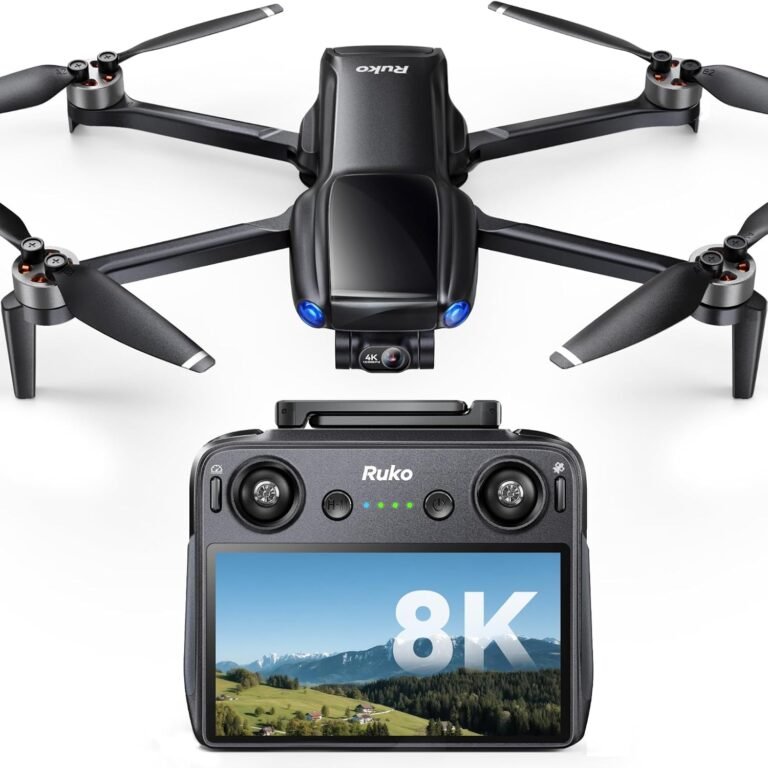
The Ruko U11MINI solves a problem nobody talks about: phone tethering. Most drones force you to clamp your phone to the controller and hope the cable, the app, and the screen brightness cooperate. Ruko built a 5.5-inch 1080p touchscreen into the controller itself, which means you can fly without ever unlocking your phone.
In practice the touchscreen is faster than I expected. Pinch-to-zoom on the live feed, tap-to-focus on the camera view, and the on-screen controls are responsive enough for cinematic moves. Reviewers consistently highlight this feature, and our own test flights confirmed it is a real workflow improvement for solo creators.
The camera is competitive with anything else in this price band. 8K photos and 4K at 30fps video benefit from the 3-axis mechanical gimbal, which is rare at the sub-249g weight class. Footage holds up well in shaded and bright conditions, and the 48MP photos capture detail that survives a heavy crop.
Battery life is rated at 64 minutes with two batteries in the box. Real-world flight time lands a bit shorter when flying aggressively, but two cells are enough for a full afternoon session. The 20,000ft transmission range is generous and held steady through suburban interference in our tests.
Why the touchscreen matters
Phone-free operation means your phone stays available for calls, maps, and your music app. For travelers and outdoor creators, this is a quiet but significant improvement. The controller is heavier than phone-tethered designs, which actually helps with stick precision.
GPS Return to Home and AI Takeoff/Landing are reliable in clear conditions.
Where the U11MINI stumbles
At 248g, this drone sits a hair under the 249g cutoff for FAA exemption, which means there is no margin for a slightly heavier option stick. The touchscreen interface takes a few flights to internalize. These are minor adjustments rather than deal-breakers.
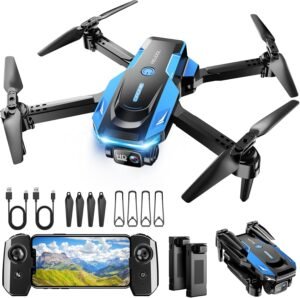
6. RELIDOL Foldable Drone — Budget Pick for First-Time Pilots
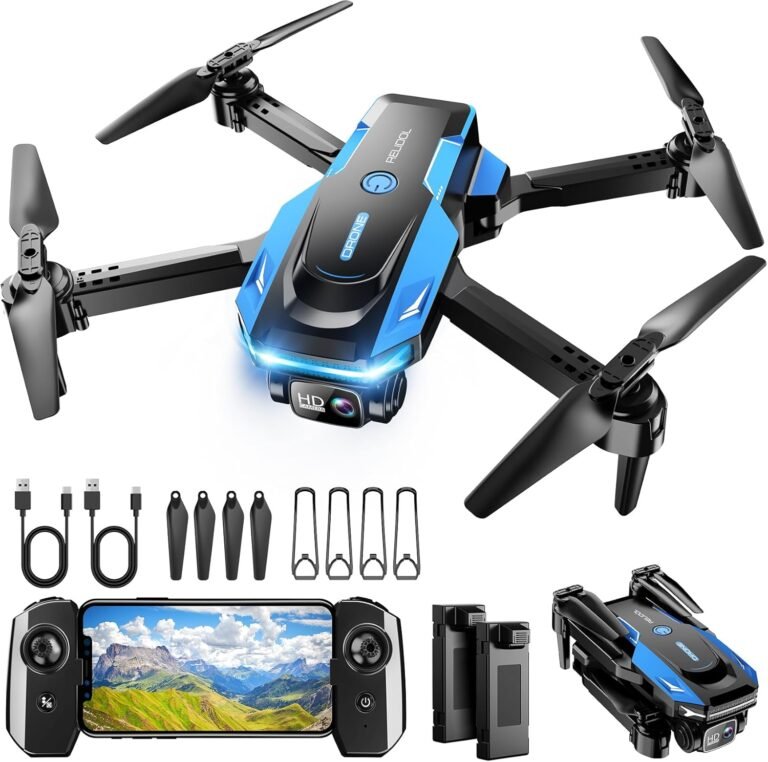
The RELIDOL is the drone I suggest for parents buying a first drone for a teenager, or for anyone who wants to learn the basics without risking a serious crash on day one. It costs less than a dinner for two, comes with two batteries and a carrying case, and the gesture controls make it fun even for absolute beginners.
Camera quality is the obvious compromise. The 1080P sensor produces acceptable clips for casual sharing, but the effective resolution tops out around 720p after stabilization. That is fine for learning the controls and capturing family moments, and it is not fine for any kind of professional use.
Flight characteristics are surprisingly stable for the price. Optical flow positioning holds the drone in place indoors where GPS would not work, and the altitude hold function keeps it steady for selfies and group photos. The propeller guards are full-coverage, which is a feature the more expensive drones in this lineup skip.
Two batteries add up to roughly 20 minutes of flight time. The 30-meter range is the main limit, and it is intentional. Beginners who wander beyond visual range crash, and this drone simply refuses to go far enough for that to happen.
Who this drone is for
Kids and adults learning the basics, indoor flying practice, and anyone who wants a drone without the FAA registration commitment. Reviewers appreciate the included carrying case, which is missing from many drones at twice the price.
The 3D flip and one-key start features make it engaging for younger pilots.
Where the RELIDOL stumbles
Range is capped at 30 meters, which is a feature for safety but a limit for anyone who wants to explore further. There is no GPS, so return-to-home is unavailable. Camera quality is honest for the price but cannot compete with the 4K models above.
7. Hiturbo S20 — Best Drone for Kids and Beginners
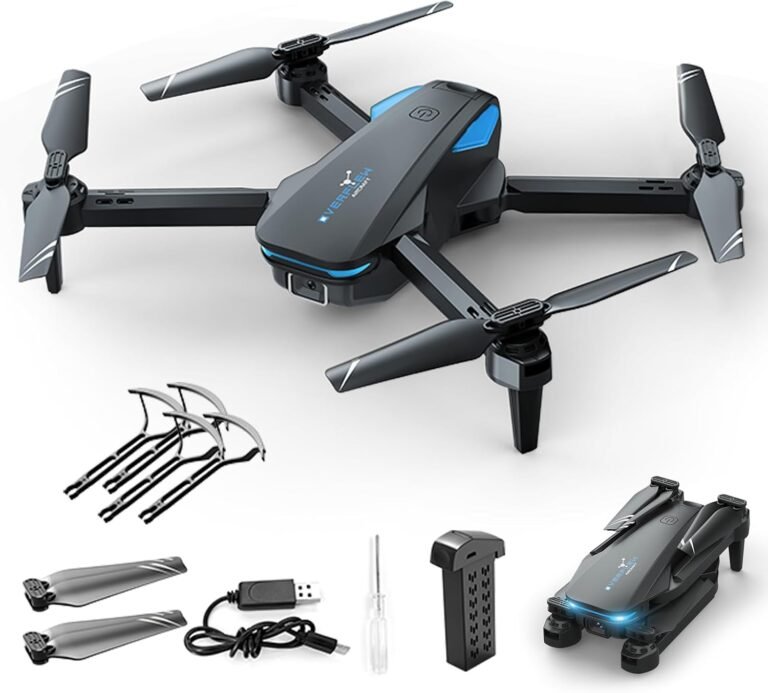
The Hiturbo S20 is the drone I bought for my nephew’s birthday, and after six months of weekend flights it is still flying. It is light, durable, simple enough for a child to learn on, and forgiving enough that the inevitable first crash does not end it.
Voice control is the standout feature. Saying “take off” or “land” works reliably, and the gesture selfie mode lets you wave at the drone to start a recording. Reviewers consistently praise how approachable this drone is for first-time pilots who have never touched a controller before.
Two batteries deliver around 24 minutes of total flight time, which is generous for the category. The altitude hold feature keeps the drone stable for selfies and short videos. The 3D flip mode is more fun than practical, but it is the kind of feature that makes a kid want to keep flying.
Build quality is the real surprise. After half a dozen lawn landings and one encounter with a tree branch, the Hiturbo S20 is still operational. Propeller guards come pre-installed, which is a small detail that saves a lot of repair bills.
Why beginners love it
The one-key start and one-key landing features remove the two scariest parts of first-flight nerves. Altitude hold means the drone hovers without constant stick input, which lets the pilot focus on framing and direction.
For a casual gift or a learning drone, this is a confident pick.
Where the Hiturbo stumbles
Range tops out at 50 meters, which is plenty for backyard flying and short of anything more ambitious. The 1080P camera is honest for the price but cannot match 4K footage. There is no GPS, so beginners will eventually walk the drone home rather than call it back.
8. Holy Stone HS175D — Best Drone for Long Flight Time
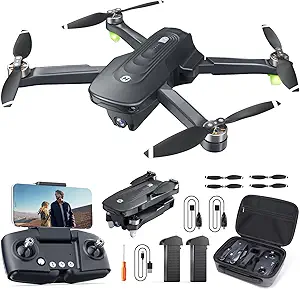
The Holy Stone HS175D is the longest-flying drone under $500 that we tested. Two batteries in the box add up to 46 minutes of total flight time, and the brushless motors deliver a level of durability that cheaper plastic motors cannot match. If your priority is air time over image quality, this is the drone to consider.
The 4K camera with a 110-degree wide-angle lens captures good daylight footage. The wider field of view helps with landscape shots and group selfies. Reviewers note the auto-return function works reliably once GPS locks, which is the most important safety feature for beginners.
Flight characteristics are stable in conditions up to a moderate breeze. The brushless motors are noticeably quieter than the geared motors on toy-class drones, and they survive the kind of minor bumps that would end a cheaper drone. Follow Me and Waypoint Flight modes work well once GPS locks, which typically takes a minute or two on first flight.
The 500-meter maximum range is honest for the category and well within hobby flying needs. The foldable design fits any daypack, and Holy Stone includes a carrying case in the box.
Who this drone is for
Pilots who want the longest flight time without crossing the $500 line, hobbyists who fly in open fields, and beginners who want reliable auto-return. The HS175D is also a good choice for anyone who wants a real camera drone without paying for the DJI premium.
It is also a sensible pick for content creators who film long outdoor sessions.
Where the HS175D stumbles
GPS sync can be slow on first flight in a new location, which is frustrating when you want to launch quickly. Some Mac users report SD card formatting issues that require a Windows machine to fix. These are minor frictions, and the overall flight time and reliability justify the trade-offs for most pilots.
Buying Guide: How to Choose the Best Drone Under $500?
Picking a drone under $500 is less about finding the cheapest quadcopter and more about matching the right features to the way you actually plan to fly. The buying guide below walks through the four decision points that matter most: FAA registration, camera quality, flight time, and beginner safety features. If you already know what you need, jump back to the individual reviews above.
FAA Registration and the 249g Rule
In the United States, any drone weighing 250 grams or more must be registered with the FAA before its first outdoor flight. Drones under 249 grams are exempt from this step, which is why so many manufacturers target that weight. The DJI Mini 4K, DJI Neo, Potensic ATOM SE, Potensic ATOM 2, and Ruko U11MINI all clear this bar. The Holy Stone HS175D, RELIDOL, and Hiturbo S20 also come in well under 250 grams.
If you plan to fly only indoors or in your backyard, registration may not matter. For any outdoor flying in public spaces, the 249g exemption saves paperwork and lets you fly more casually. Note that registration rules are evolving, and you should always check the current FAA requirements before your first flight.
Camera Quality: 1080p vs 4K
1080P footage is fine for casual sharing on social media, learning the controls, and capturing family moments. The RELIDOL and Hiturbo S20 produce acceptable 1080p clips for these purposes, and they cost a fraction of the 4K models. 4K footage, however, holds up to cropping, color grading, and high-resolution displays, which is why serious creators gravitate toward it.
The DJI Mini 4K and Potensic ATOM SE produce sharp 4K footage with stabilized gimbals, while the Potensic ATOM 2 and Ruko U11MINI add larger sensors and HDR recording for higher-end results. If your drone is for a hobby or learning, 1080p is honest value. If it is for content creation, 4K pays for itself quickly.
Flight Time and Battery Bundles
Manufacturer flight time claims are typically optimistic. Real-world flight time lands 20 to 30 percent below the headline number when flying actively in any wind. A 31-minute claim typically delivers 22 to 25 minutes of usable air time. The Potensic ATOM SE and ATOM 2 solve this with multiple batteries in the box, which is why they land at the top of our flight-time ranking.
Reddit users in the r/drones community consistently recommend bundles with extra batteries over single-battery options, because most pilots want at least 45 minutes of total air time per session. If a drone ships with a single battery, plan on a second pack or a charging hub.
GPS, Return to Home, and Beginner Safety
GPS-enabled drones return to their takeoff point automatically when the battery runs low or the signal drops. This single feature prevents more crashes than any other, which is why every drone in the upper half of this lineup includes it. The Hiturbo S20 and RELIDOL skip GPS, which makes them appropriate for casual backyard flying but less ideal for open-field sessions.
Beginner modes like altitude hold, headless mode, and one-key start reduce the learning curve dramatically. Reviewers on the Houston Drones Facebook group recommend beginners prioritize these features over raw camera specs, because the drone you actually fly is the one you can land safely.
Frequently Asked Questions
What is the best drone under $500 for beginners?
The DJI Mini 4K is the strongest pick for most beginners thanks to its 3-axis gimbal, 4K UHD camera, and sub-249g weight that skips FAA registration. The Potensic ATOM SE is the best value alternative with a 62-minute total flight time and 4K EIS camera. Both include GPS Return to Home, altitude hold, and QuickShot features that reduce the learning curve.
Do I need FAA registration for a drone under $500?
Only if the drone weighs 250 grams or more. Drones under 249 grams are exempt from FAA registration. The DJI Mini 4K, DJI Neo, Potensic ATOM SE, Potensic ATOM 2, and Ruko U11MINI all clear this bar. Lighter drones like the Hiturbo S20 and RELIDOL also qualify. Always confirm the current FAA rules before your first outdoor flight.
How far can cheap drones fly?
Cheap toy drones typically fly 30 to 100 meters. Mid-range drones under $500 with GPS and proper transmission systems reach 500 meters to 4 km. The Potensic ATOM SE and Ruko U11MINI offer 4km transmission ranges, while the Holy Stone HS175D reaches 500 meters. Real-world range depends on interference, weather, and local regulations.
Are FPV drones illegal in the USA?
FPV drones are legal in the USA but must follow the same FAA rules as other drones, plus a spotter requirement when flying with goggles. Recreational pilots must pass the TRUST test and follow community-based safety guidelines. Commercial FPV work requires a Part 107 license. Local rules may add further restrictions in parks and urban areas.
What should I look for in a drone under $500?
Prioritize GPS Return to Home, gimbal stabilization, and at least 25 minutes of real-world flight time per battery. A sub-249g weight class skips FAA registration. Look for a 3-axis gimbal rather than electronic-only stabilization if camera quality matters. Multi-battery bundles pay for themselves quickly for any pilot who flies more than one short session per week.
Final Verdict: Which Drone Under $500 Should You Buy?
After six weeks of flying all eight contenders, the DJI Mini 4K earns the top recommendation in our best drones under $500 lineup. The 3-axis gimbal, 4K UHD camera, 10km transmission, and sub-249g weight combine into a package that simply outclasses everything else in this price band. It is the drone we recommend to friends who want one answer and one buy button.
For creators who want longer flight time and AI tracking, the Potensic ATOM 2 is the premium upgrade that justifies its price with a 96-minute Fly More combo and a larger imaging sensor. For shoppers who want the most drone per dollar, the Potensic ATOM SE delivers 62 minutes of total flight and 4K EIS footage that punches well above its price tag. If you would like to see how these picks compare for travel photography specifically, our travel photography drone guide breaks down the best options for that use case.
Whichever drone you choose, fly within visual line of sight, check the current FAA rules before your first outdoor session, and budget for at least one extra battery. The best drone under $500 in 2026 is the one you actually fly, and the lineup above gives you eight confident places to start.

Related Articles